

If you're applying to rent a property in Leicester, you'll need to pass a referencing check before your tenancy can start. For many tenants — especially those renting for the first time — this process can feel opaque and stressful. Here's exactly what's involved, what letting agents and landlords look for, and what you can do to maximise your chances of a successful application.
What Is a Rental Reference Check?
Referencing is the process by which a letting agent verifies the information you've provided in your application and assesses your suitability as a tenant. It typically includes:
- Identity verification — passport, driving licence or other government-issued ID
- Right to Rent check — a legal requirement for all tenants in England; confirms you have the legal right to rent property in the UK
- Credit check — looks at your credit history, including any County Court Judgements (CCJs), Individual Voluntary Arrangements (IVAs), or missed payments
- Affordability assessment — typically requires your gross annual income to be at least 2.5x the annual rent
- Employment or income verification — payslips, an employment letter, or (for self-employed applicants) tax returns or accounts
- Previous landlord reference — your previous landlord will be contacted to confirm your rental history
What Referencing Companies Look For
Most letting agents in Leicester, including First 4 Lettings, use professional third-party referencing companies. These companies generate a pass, refer, or fail result based on the data above. A 'refer' result doesn't mean an automatic rejection — it means additional information or a guarantor may be required.
The most common reasons for a failed or referred reference are:
- A CCJ registered in the last six years
- Insufficient income relative to the rent level
- A poor previous landlord reference
- Short employment history or recent job change
- Gaps in address history
How to Give Yourself the Best Chance
Be honest from the outset. If you have a CCJ, a gap in employment, or you know you won't meet the income threshold alone, tell the letting agent before you apply. We would much rather help you explore solutions early than have an application fail at referencing.
Get a guarantor if needed. A guarantor — usually a parent, close relative, or employer — agrees to cover your rent if you can't. Guarantors must themselves pass a referencing check and typically need to earn at least 36x the monthly rent annually. Having a guarantor in place significantly improves your chances if your own financial circumstances are borderline.
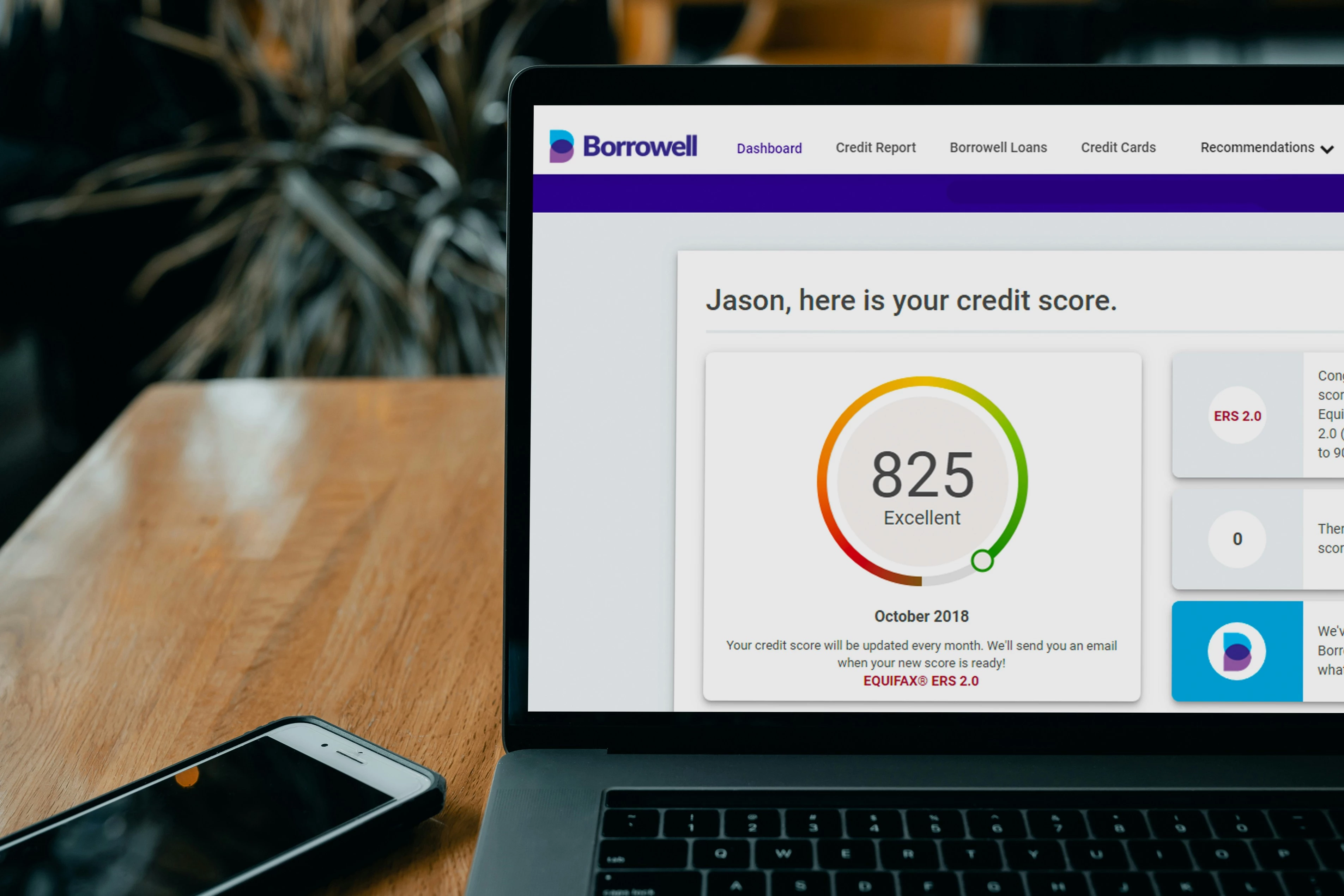
Check your credit file first. Before you apply, check your credit report (Experian, Equifax, or TransUnion all offer free versions). If there are errors, you can dispute them. If there are real issues, a guarantor may help.
Prepare your documents in advance. Have the following ready before you apply:
- Proof of ID (passport)
- Three months' payslips (or proof of income for self-employed)
- Last three months' bank statements
- Previous landlord's contact details
Don't change jobs right before applying. Lenders and referencing companies prefer to see stable, continuous employment. If a job change is unavoidable, ensure you have a formal employment letter from your new employer confirming your start date and salary.
What If You're a Student?
Student applications are handled slightly differently. Most students won't meet the income threshold, so referencing typically focuses on the guarantor — usually a parent. As long as your guarantor earns enough and has a clean credit history, student referencing is usually straightforward.
Any Questions? Ask Us
At First 4 Lettings, we're used to working with tenants in all kinds of circumstances. If you're not sure whether you'll pass referencing, please call us before you apply. We'd rather help you find a solution upfront than see an application fall through unnecessarily.
Register as a tenant or browse our available properties.
0116 270 6000 | info@first4lettings.co.uk
Written by Dechlan Connell


